
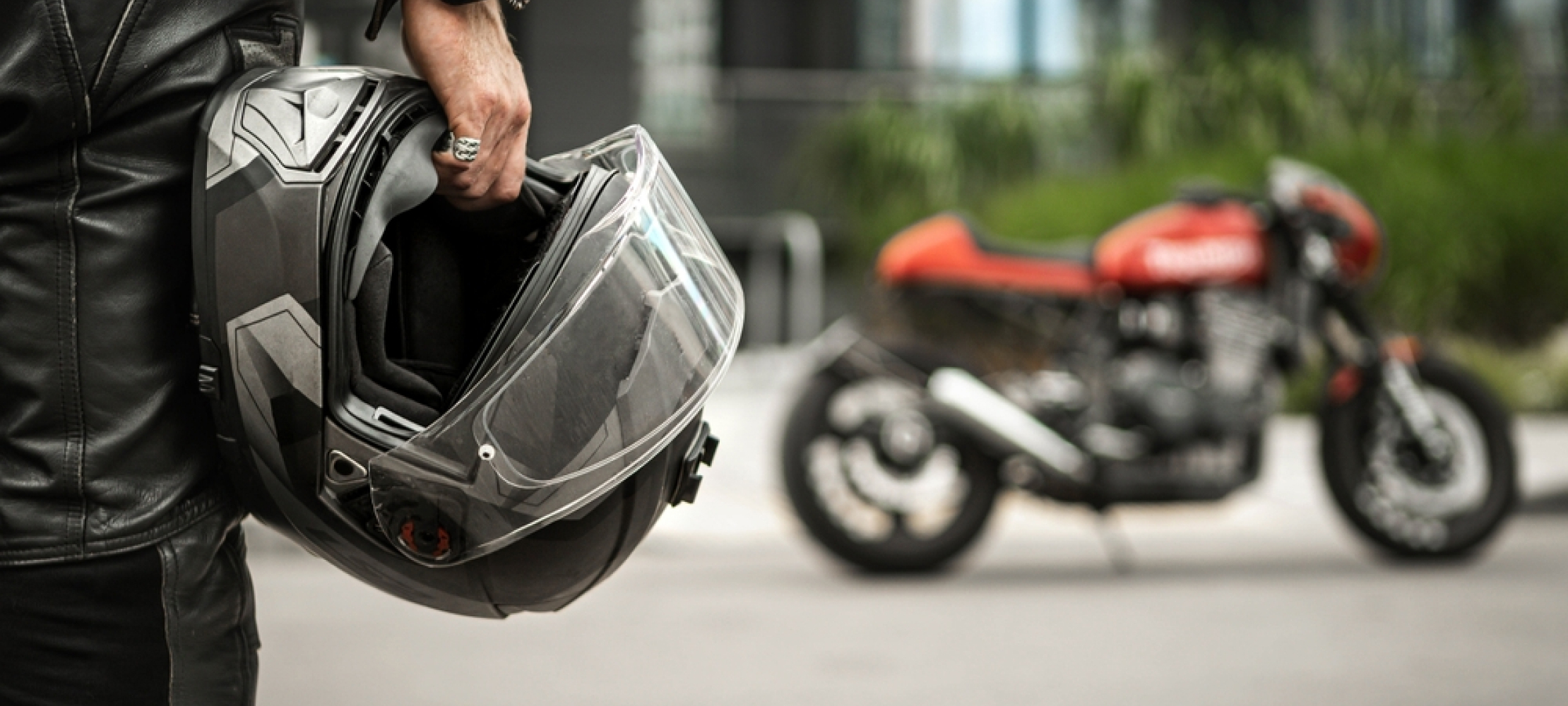
In adverse conditions, riding a motorcycle demands heightened awareness, skill and preparation: it presents unique challenges. If you brave rain; snow; strong winds or challenging terrains–certain factors demand your mindfulness for an enjoyable ride that is also safe. Now we will delve into the essential considerations necessary to navigate these adverse weather elements on your motorcycle.
Gear appropriate for the weather
Your choice of riding gear becomes paramount when you confront adverse weather: invest in weather-appropriate equipment that offers protection against rain, wind and cold temperatures. For instance, waterproof jackets; pants and gloves are indispensable for averting moisture during rainfall–thermal layers on the other hand effectively combat chilly temperatures. Also crucial is visibility: therefore, one must consider gear—specifically those with reflective elements—for enhanced safety.
Tire Traction and Condition
Tire traction can suffer a significant impact under adverse conditions; it is therefore imperative to ensure that your tires are in optimal condition – this includes having sufficient tread depth. Crucial for maintaining traction and stability in wet or icy environments, is the maintenance of appropriate tire pressure. Consider the switch to tires specifically designed for particular weather conditions; for example, opt for rain-tires when encountering wet surfaces.
Adjusted Riding Style
For safety, it is essential to adapt your riding style to adverse conditions: slow down; increase following distances–this allows for extended braking distances. Whether accelerating, braking or cornering–smooth and controlled movements are paramount. To prevent potential loss of control on slippery surfaces, one must avoid sudden or jerky actions.
Awareness of Road Surfaces
Various weather conditions exert diverse effects on road surfaces: under rainy circumstances, roads may grow slippery–and painted road markings could pose a significant threat. Black ice, in snowy or icy conditions, presents a deceptive and exceedingly treacherous trait. Maintain your vigilance; scan the road ahead meticulously, and adapt your riding to suit it.
Techniques in Braking
In adverse conditions, one must exercise additional caution while braking: adopt a strategy of gentle and progressive braking to prevent skidding. Should your motorcycle possess an anti-lock braking system (ABS), ensure you are familiar with its operation–it could significantly enhance your riding experience. In challenging conditions, ABS can prevent wheel lock-up; this results in superior braking control.
Considerations of Wind
Prepare yourself for the challenge strong winds present, particularly to lighter motorcycles. Expect sudden gusts that may compromise stability; ensure you maintain a firm grip on the handlebars and position yourself strategically on your motorcycle for balance. Consider altering your route or delaying your ride in extreme wind conditions, for safer circumstances.
Challenges of Visibility
Often, adverse conditions diminish visibility for riders and other road users. Enhance your motorcycle’s visibility by using its headlights even during the day. Furthermore, guarantee that you ride with a clear anti-fog helmet visor in cold or humid weather conditions. Consider enhancing the visibility of your gear by incorporating reflective elements, thereby increasing your detectability to other road users.
Emergency Preparedness
The likelihood of emergencies escalates under adverse conditions. Carry an emergency kit: it should include basic tools; a tire repair kit–especially crucial for automotive situations–, a first aid package, and any condition-specific items that may prove relevant. In challenging situations, the value of possessing of necessary tools and knowledge on handling common mechanical issues is truly immeasurable. We must actively monitor weather forecasts; this is a crucial step in preparedness–particularly for potentially hazardous conditions such as storms, extreme heat, or cold fronts.
In conclusion: riding a motorcycle in adverse conditions necessitates elevated awareness, preparedness–and skill. Investing in suitable gear, adapting your riding style, and remaining cognizant of the distinct challenges that inclement weather presents allows you to confidently navigate testing circumstances. You must prioritize safety, keep abreast of weather conditions–never neglect this aspect–and always remain prepared for unforeseen challenges on the road.
