
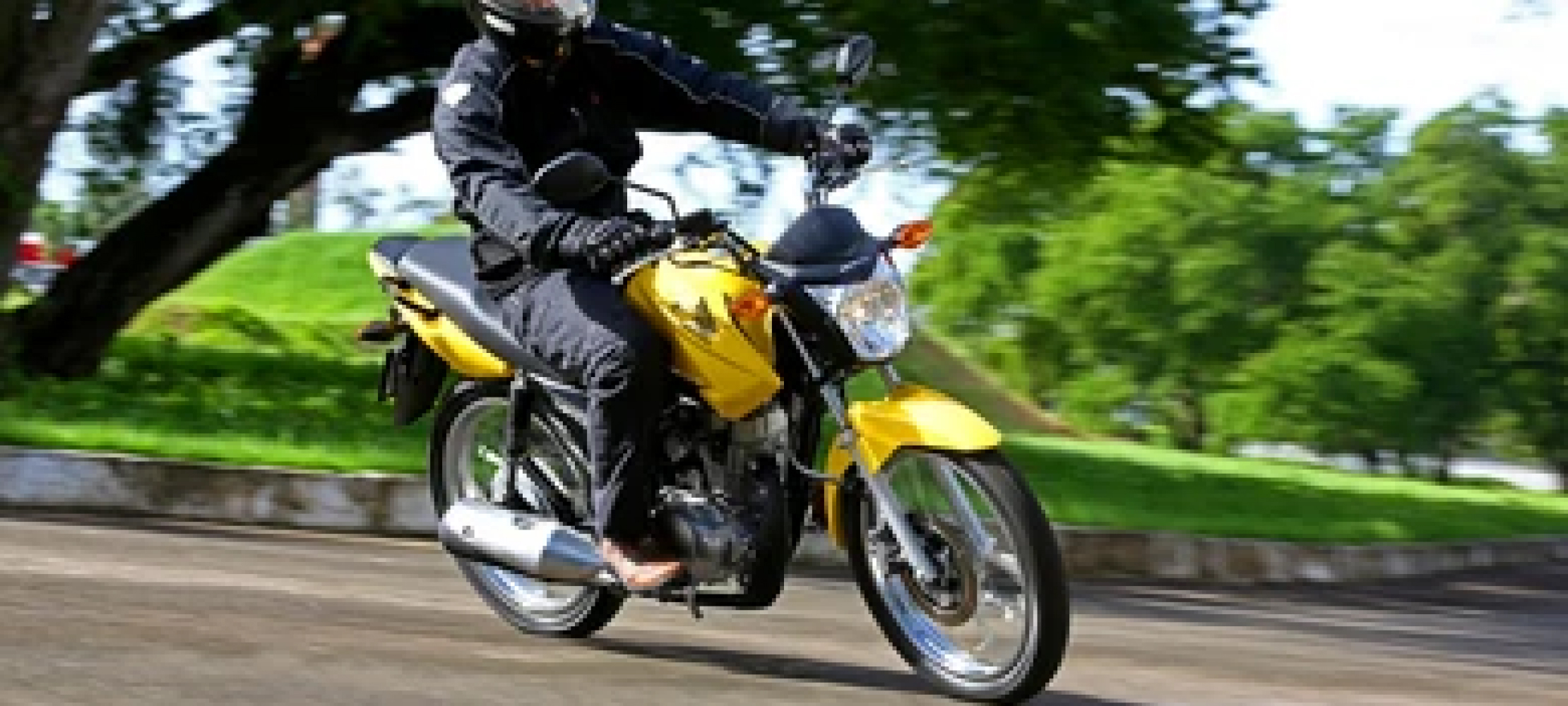
Motorcycle enthusiasts find a unique allure in the open road: it offers them freedom and adventure. Yet, we must prioritize the safety of both motorcyclists and other road users; motorcycle training programs–by equipping riders with crucial skills, and knowledge, instilling an unwavering focus on safety–pivotalize this imperative task. Let us delve into the profound impact that motorcycle training has on the creation of safer roads for everyone.
Development of Skills
Designers of motorcycle training programs cultivate essential riding skills through structured, graduated curriculum. This instruction ranges from basic maneuvers to advanced techniques; it hones riders’ abilities in handling a variety of riding scenarios. The development of these skills includes: proper braking and cornering techniques, defensive riding strategies–an integral part for road safety–, and emergency maneuvers that enhance overall competence on the road.
Awareness of Traffic
Fostering traffic awareness stands as a key element in motorcycle training: riders not only anticipate and respond to potential hazards, but they also seek an understanding of traffic patterns. Furthermore – navigating safely through various road conditions enhances their overall safety; it simultaneously contributes towards general road safety by minimizing the risk of accidents.
The Road’s Rules
Motorcycle training fundamentally hinges on understanding and adhering to traffic rules: riders receive education in traffic laws, road signs, and appropriate road etiquette – knowledge vital for fostering a harmonious–as well as safe–coexistence with other users of the roadway. Contributing to the overall order and safety on the roads necessitates compliance with traffic rules.
Techniques for Riding Defensively
In motorcycle training, we emphasize defensive riding techniques: this strategic approach mitigates risks that other motorists and external factors impose. Our instruction enables riders to anticipate potential hazards; it also fosters an understanding of maintaining a safe following distance–essential for their safety on the road. By adopting these defensive strategies, not only does the rider’s own safety enhance significantly, but they also actively contribute to a communal culture of safer roads.
Preparedness for Emergencies
Training programs equip riders with the essential skills to effectively handle emergency situations: from managing sudden stops to executing evasive maneuvers, they learn how–calmly and decisively–to respond in challenging circumstances. This instrumental level of preparedness not only minimizes accident severity but also serves as a potent force in collision prevention.
Knowledge of Motorcycle Maintenance
Road safety necessitates a well-maintained motorcycle; thus, basic maintenance knowledge often forms part of motorcycle training: it equips riders to conduct regular inspections on their bikes and promptly address any issues. By decreasing the risk of breakdowns and accidents triggered by mechanical failures–a mechanically sound motorcycle bolsters overall safety.
The Importance of Riding Gear
An integral part of motorcycle safety is proper riding gear. Emphasizing the importance of wearing protective gear–including helmets, jackets, gloves, pants, and boots–training programs educate riders on how each component plays a role in minimizing injuries during accidents. A culture of responsible riding results from this emphasis on safety gear.
Building a Mindset for Safety
Motorcycle training goes beyond skills and knowledge, actively instilling a safety-first mindset in riders. By placing responsible and defensive riding at the forefront, these programs contribute to an overarching culture where riders not only prioritize their own safety but also that of others on the road. This collective commitment fosters environments with increased road safety.
To conclude, motorcycle training actively cultivates safer roads: it enhances rider skills, fosters traffic awareness, and ingrains a safety-first mentality–all while promoting community engagement. Riders contributing to the comprehensive training process establish and fortify responsible riding cultures that bolster road safety for every user. We lay the groundwork for safer journeys and reduced accidents by investing in motorcycle training; furthermore, we cultivate an environment where motorcyclists can confidently and responsibly enjoy the open road.
