
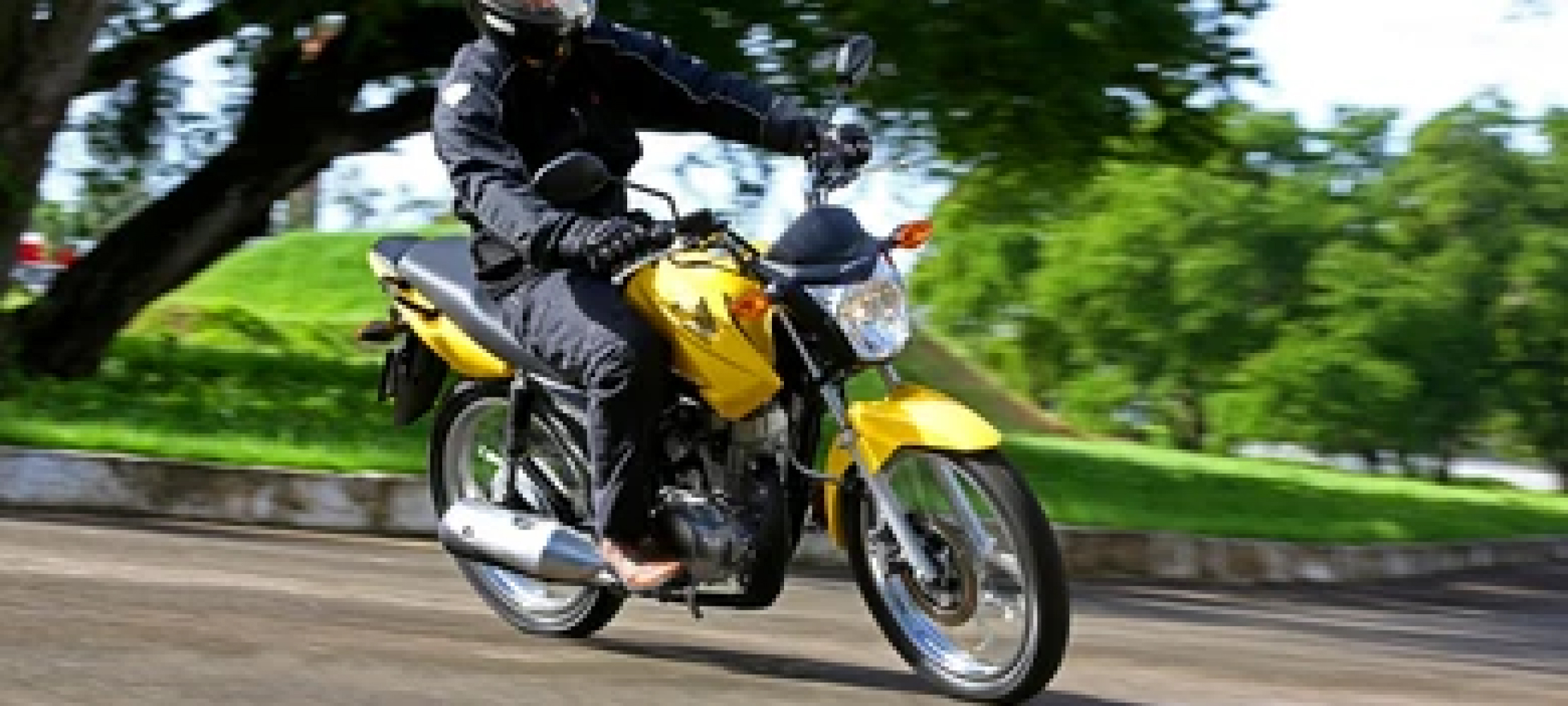
Motorcycle safety instruction is important for riders of all levels. Through motorcycle safety programs, riders can acquire or refine important and even lifesaving skills that they need when on the road. Owning a motorcycle does not only give you the joy of riding in the open air, but it also offers other benefits such as affordability, better fuel efficiency that can save you money on gas, and easier maintenance. The motorcycle gear does not guarantee you could be safe at all times. That is why it is wiser to invest in a motorcycle training that guarantees your safety on the road.
Enhanced Safety
Motorcycle training equips riders with a broad range of skills, including motorcycle control, hazard avoidance, and situational awareness. These skills are critical to prevent accidents and minimize the severity of injuries in the event of an accident. Motorcycle training can also help riders navigate different road conditions and weather conditions effectively.
Motorcycle training teaches riders how to control their bikes effectively, including steering, braking, and acceleration. With this training, riders can avoid common mistakes such as over-braking, over-acceleration, and improper cornering. These skills are essential to prevent accidents, especially in challenging situations.
Legal Requirements
You need to be familiar with the motorcycle rider licensing system and aware of the restrictions in terms of engine size and power that apply to riders of different ages and experiences. All riders must hold an appropriate license.
Improved Riding Skills
Motorcycle training teaches riders how to identify and avoid potential hazards on the road. This includes obstacles, road debris, and other road users such as pedestrians, cars, and other motorcycles. Hazard avoidance skills are crucial to prevent accidents and keep riders safe on the road. Motorcycle training also teaches riders how to maintain situational awareness and anticipate potential hazards. Situational awareness skills include keeping an eye on traffic, weather, road conditions, and other road users. These skills are critical to prevent accidents and ensure riders can react appropriately in challenging situations.
Strengthens Skills
Part of staying safe on the road is having the skills and strategies for defensive driving, especially with such a small vehicle. A safety course will help reinforce how to identify and respond to safety risks from other drivers and keep you on your toes for how to respond to other drivers whenever they’re posing safety threats. Some safety courses offer specializations, such as focusing on how to ride a scooter instead of a motorcycle. Scooters and motorcycles are different, but much of the method of operation is very similar. Also, safety courses could be relevant for individuals interested in racing, dirt biking, or stunt bike riding, so look for courses that cater to what you want to learn.
Community Experience
All bikers are probably attracted to the idea of being a lone rider – it is an alluring and romantic archetype, However, the truth is that the roads can be dangerous, and it is always best to have a crew with you if something goes wrong. If there is an accident or a breakdown, you will have friends around you who can support you and prevent you from getting stranded. Once you join a community through training, you are treated as one of their own, and they will offer whatever assistance you need.
Motorcycle training is the key to enhancing safety, reducing accident risks, and ensuring compliance with legal requirements. It’s the path to honing your riding skills, mastering control, and handling various road conditions with confidence. It’s the framework that fosters a strong sense of rider responsibility, emphasizing respect for fellow road users and the vital role we all play in reducing accidents and saving lives.
